
Case Study
How Vann Family Orchards Enhanced Quality and Efficiency with AI-Powered Automated Inspection
The Challenge
Before implementing the new system, Vann Family Orchards faced several issues commonly experienced by large-scale agricultural processors: Manual, labor-intensive quality control: Traditional inspection likely relied on human inspectors physically checking product defects — a slow, error-prone, and resource-heavy process. (Implied from the need for automation.) Inconsistent quality assurance under high volume: As demand and production scale up, manually maintaining consistent inspection standards becomes more difficult — risk of defects slipping through, or slower throughput. Tradeoff between quality and speed: Ensuring high product quality without slowing down production — a difficult balance when inspection depends on human labor and manual checks. These issues create pressure on workforce, increase the chance of human error, and possibly cause delays or quality lapses during peak processing volume.
The Solution
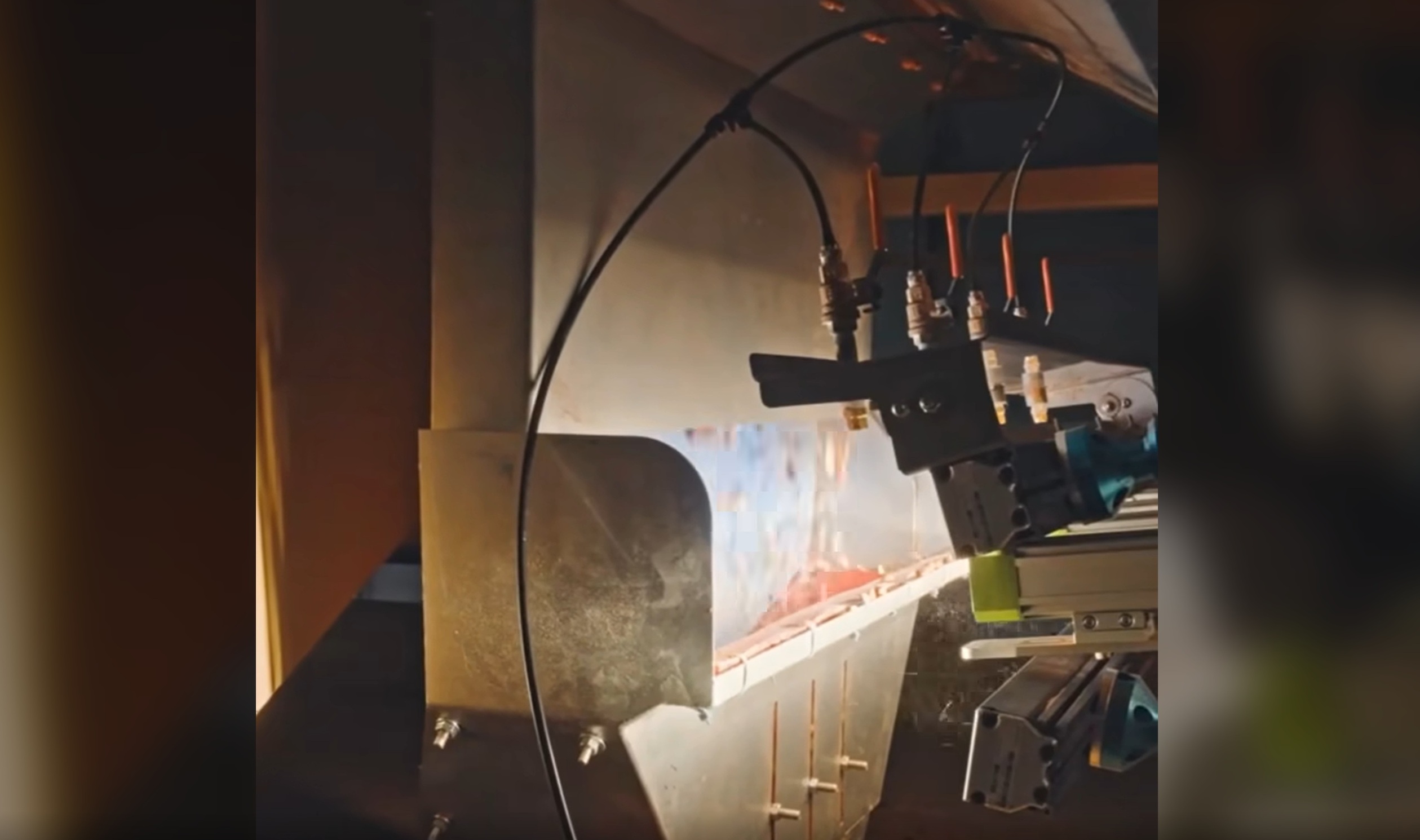
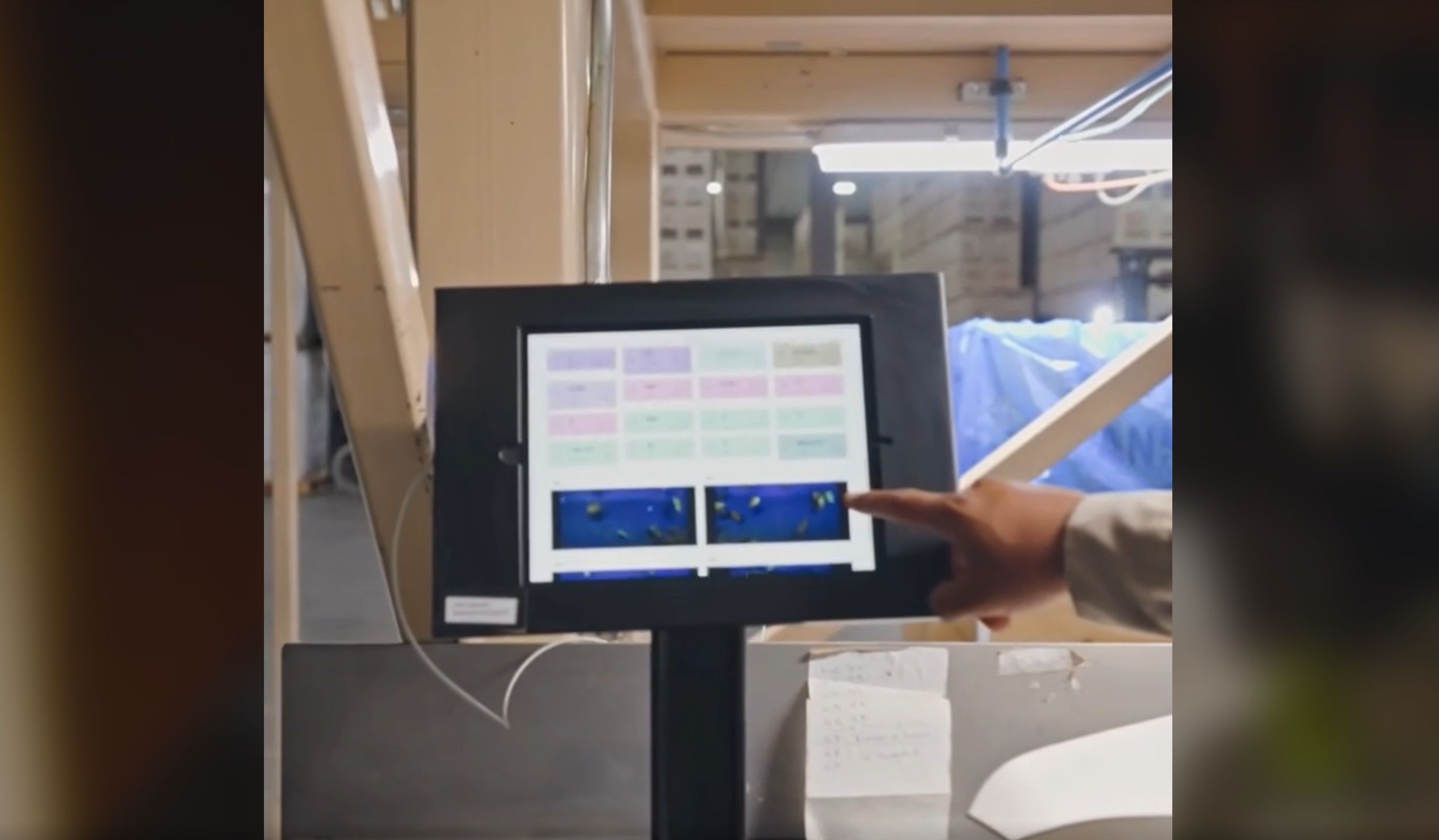
Vann Family Orchards adopted the Borde Inspect system: AI-powered cameras + smart lighting: The system automates defect detection via image capture and computer-aided inspection rather than relying solely on human vision. Real-time defect detection & photo documentation: As almonds / produce move through processing, the system inspects them on the fly, identifies defects, and photographs them, enabling immediate identification. Automation of quality control workflow: The system reduces manual labor and streamlines QC — effectively adding a “smart QA checkpoint” to existing production lines rather than replacing them with slower human-based inspection. By embedding this automated QC system in their operations, Vann Family Orchards modernizes their inspection process and integrates technology to maintain high quality at scale.
The Benefits
- Faster quality control — automated inspection runs continuously and at machine speeds, allowing QC without slowing down production lines.
- Higher accuracy and consistency — AI-based defect detection reduces variability and human error, ensuring that quality standards are uniformly enforced.
- Labor savings / reduced workload — less reliance on manual inspection reduces labor demands, freeing staff for other tasks or reducing labor cost.
- Better traceability & documentation — because defects are photographed and recorded in real time, there is a documented record of quality incidents, which helps with audit trails, customer assurance, and possibly compliance.
- Scalability — as production grows, the automated system can scale with it without needing proportional increases in QC staff.
- Maintains high standards without sacrificing throughput — VFO can “raise the bar on quality without slowing down production,” as the company put it.

All rights reserved © 2026 Borde